Eligibility for a criminal record expungement depends on factors like the type of offense, whether it resulted in a conviction, and the time elapsed since completing your sentence. Many jurisdictions exclude serious crimes such as violent felonies or sex offenses, but lesser offenses or dismissed charges may qualify.
To prepare for an expungement hearing, you should gather necessary documents such as your criminal record, court records, and proof of completed sentencing. You should also be ready to explain how you’ve rehabilitated and why expungement is deserved in your case.
An experienced expungement lawyer can handle the entire process for you by ensuring your petition is complete and filed correctly, representing you at the hearing, and addressing any objections. Their guidance increases your chances of clearing your record successfully.

Having a criminal record can create significant challenges, affecting many aspects of a person’s life long after they have completed their sentence. These negative effects, known as collateral consequences, can affect an individual’s ability to rebuild their life and become fully reintegrated into society.
One of the most immediate consequences of having a criminal record is difficulty finding employment. Many employers conduct background checks and may refuse to hire someone with a record, even if the offense was minor or occurred years ago. This can limit job opportunities and force individuals into low-paying or unstable work, making it harder to achieve financial stability.
Housing is another area where a criminal record can have lasting effects. Landlords often screen potential tenants and may reject applications from those with a criminal history. As a result, individuals with a record may struggle to find safe, affordable housing, which can lead to homelessness or reliance on overcrowded living conditions with friends or family.
A criminal record can also make it harder to access education. Colleges and universities may deny admission to applicants with a criminal history or restrict access to financial aid. Without higher education, individuals may face limited opportunities for career advancement, further trapping them in cycles of poverty.
Social stigma is another significant consequence of a criminal record. Society often judges people with records harshly – which leads to strained relationships with friends, family, and the community. This stigma can cause feelings of isolation, depression, and low self-esteem, further hindering an individual’s ability to move forward.
Additionally, certain rights may be restricted. For example, individuals with felony convictions may lose their right to vote, serve on a jury, or own firearms. These restrictions can leave people feeling disconnected from their communities and unable to participate fully as citizens.
Finally, having a criminal record can affect a person’s immigration status. Non-citizens with criminal records may face deportation or denial of visas, even for relatively minor offenses.
Criminal record expungement allows individuals to erase or seal certain offenses from their criminal records, giving them a fresh start. However, not all offenses are eligible for expungement. The types of offenses that can be expunged depend on the laws of the state or country where the offense occurred. Generally, eligibility is determined by the nature of the offense, the time that has passed, and the individual’s behavior since the conviction.
Non-violent offenses are among the most commonly expunged crimes. These may include petty theft, shoplifting, vandalism, trespassing, and minor drug possession. Since these offenses are less likely to pose a danger to the community, courts are more willing to grant expungement for individuals who have shown they have rehabilitated themselves.
Juvenile offenses often qualify for expungement, as the justice system typically focuses on rehabilitation rather than punishment for minors. Crimes committed by individuals under the age of 18, such as underage drinking, minor drug possession, or theft, may be eligible. Many states automatically seal juvenile records when the individual reaches adulthood, while others require a formal request for expungement.
Misdemeanors are frequently eligible for expungement, particularly those that are considered low-level offenses. These can include disorderly conduct, public intoxication, or first-time driving under the influence (DUI) convictions, depending on the jurisdiction.
Some felonies may also qualify, but this depends on the severity of the crime. Non-violent felonies, such as certain types of fraud, forgery, or drug-related offenses, may be eligible if the individual has completed their sentence and demonstrated good behavior over an extended period.
Offenses dismissed or not resulting in conviction are also often eligible for expungement. If a case was dropped or dismissed, or the accused was found not guilty, they can typically petition to have the arrest or charge removed from their record.
However, some offenses are rarely, if ever, eligible for expungement. These include serious violent crimes like murder, sexual assault, kidnapping, and crimes against children. Repeat offenses or convictions involving significant harm to others may also be excluded.
Expungement can help people move forward by removing barriers to employment, housing, and other opportunities.
Preparing for a criminal record expungement hearing is essential to improving your chances of success. Taking the right steps ensures you present a strong case and make a positive impression in court. A skilled criminal defense attorney can guide you through each step, making the process smoother and more effective.
Expungement laws vary by jurisdiction, so understanding the specific requirements for your case is critical. An attorney can help you determine your eligibility and explain how local rules apply to your situation.
You’ll need key documents, such as a certified copy of your criminal record, court records, and proof of completed sentencing requirements. These may include records of probation, fines paid, or completed community service. Additionally, letters of recommendation, certificates, or evidence of employment can strengthen your case. A lawyer can collect and organize these documents to ensure that nothing is overlooked.
Your petition for expungement must be filled out correctly and submitted on time. Errors or incomplete submissions can delay or jeopardize your case. An attorney can complete the petition so that it meets all legal requirements and is filed with the appropriate court.
You may be required to explain why you deserve an expungement and how your life has changed since the offense. Therefore, practice answering potential questions and focus on your rehabilitation efforts, such as steady employment, educational accomplishments, or volunteer work. An attorney can craft a compelling narrative that highlights your progress and accountability.
Prosecutors or victims may oppose your expungement. A lawyer can anticipate these objections and prepare strong arguments to counter them. They will focus on demonstrating how your expungement benefits both you and the community.
Dress professionally, arrive early, and behave respectfully in court. Your attorney will ensure that you understand courtroom etiquette and prepare you for the process.
By working with a skilled criminal defense attorney, you’ll have strong guidance throughout the process – from gathering documents to representing you at the hearing. Their experience can significantly increase your chances of achieving a successful expungement and starting fresh.
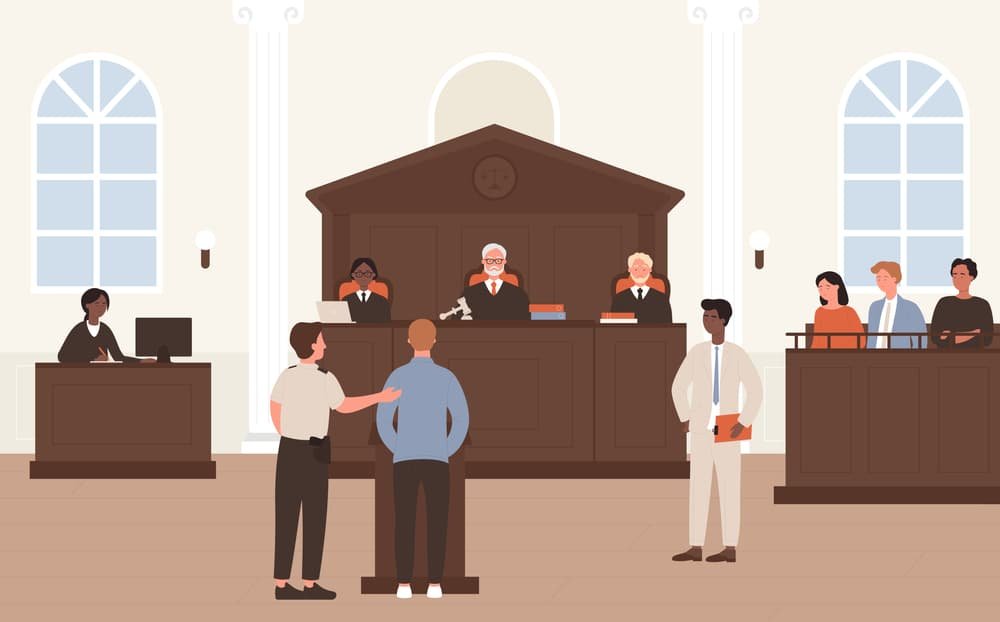
A criminal record expungement hearing is a legal proceeding where a judge decides whether to clear or seal an individual’s criminal record. This hearing is critical because it determines whether the individual can move forward without the burden of a past conviction affecting their future opportunities.
During the hearing, the judge reviews your case to determine if you meet the legal requirements for expungement. The process begins with the judge examining the petition you submitted, along with supporting documents like your criminal record, proof of completed sentencing, and evidence of rehabilitation.
You may be required to answer questions from the judge or prosecutor about your offense, your behavior since the conviction, and why you believe you deserve an expungement. The judge may also ask about your current circumstances, such as employment, community involvement, or efforts to improve your life.
In some cases, the prosecutor or other parties, like victims, may object to your expungement. They can argue that granting it is not in the public interest. The judge will consider these objections and decide based on the evidence and arguments presented.
If the judge grants your expungement, the court will issue an order to clear or seal your record. This means the offense will no longer appear on most background checks, and you can legally state that you have not been convicted of the expunged crime. If denied, the judge will explain the reasons, and you can reapply in the future.
A skilled criminal defense lawyer plays a vital role during the expungement hearing. First, they will ensure that your petition and supporting documents are accurate, complete, and submitted on time. They understand the specific requirements in your jurisdiction and will ensure that you meet them.
At the hearing, your lawyer will present a strong argument for your expungement, emphasizing your rehabilitation and how clearing your record benefits both you and society. They can also address objections from prosecutors or victims, countering those arguments with evidence and legal reasoning.
If you are nervous about speaking in court, your lawyer can handle most of the communication on your behalf, presenting your case professionally and persuasively. This reduces stress and increases your chances of success.
With an experienced lawyer managing your hearing, you have a better chance of clearing your record and moving forward with a clean slate. An attorney’s strong legal knowledge and experience ensure that the process is handled efficiently and effectively, giving you the best opportunity for a favorable outcome.

If your criminal record expungement request is denied, it can feel discouraging, but it does not necessarily mean that you are out of options. There are steps you can take to address the denial and improve your chances of success in the future. A skilled criminal defense attorney can guide you through this process, helping you understand why the denial occurred and what you can do next.
The first step is to understand the reason for denial. Determine why your expungement request was denied. Common reasons include failing to meet eligibility requirements, errors in the application, or objections from prosecutors or victims. The court typically provides a written explanation for its decision, outlining the reasons for denial. Your lawyer can review this explanation with you to identify any issues that need to be addressed.
If the denial was due to a mistake or missing information, you can correct the issue and resubmit your petition. For example, if you failed to include required documents or overlooked specific legal requirements, your attorney can gather the necessary materials and ensure the application is complete. Resubmitting the petition properly may lead to a successful outcome.
In some cases, you may have the option to appeal the court’s decision. This involves asking a higher court to review the denial and determine whether the lower court made an error. Appeals can be complicated and require strong legal arguments, so having an experienced criminal defense attorney on board is key.
If your petition was denied because you did not meet eligibility requirements – such as not enough time passing since the conviction – you may need to wait before reapplying. Your lawyer can advise you on when you may become eligible and help you prepare for your next attempt.
An attorney can review the court’s decision, identify why your request was denied, and recommend the best course of action. They can ensure that your next petition is error-free, file an appeal if appropriate, or guide you in gathering evidence to strengthen your case. Having a lawyer by your side improves your chances of eventually obtaining an expungement – and moving forward with your life.
A knowledgeable criminal defense attorney in your area can determine if you are eligible for a criminal record expungement and, if so, will handle the entire process for you. They will also aggressively advocate for your interests, represent you during your expungement hearing, and pursue the best possible result in your case. Speak with a skilled criminal defense lawyer right away about your options.
"*" indicates required fields

"*" indicates required fields