If you find yourself in a situation where you are asked to take a breath test, you may be wondering if you have the right to refuse. It is natural to have concerns and questions about such a request, as the process can be intimidating, and the potential consequences can be severe and far-reaching. In most jurisdictions, individuals have the right to refuse a breath test, but it is crucial to understand the potential legal implications of doing so.
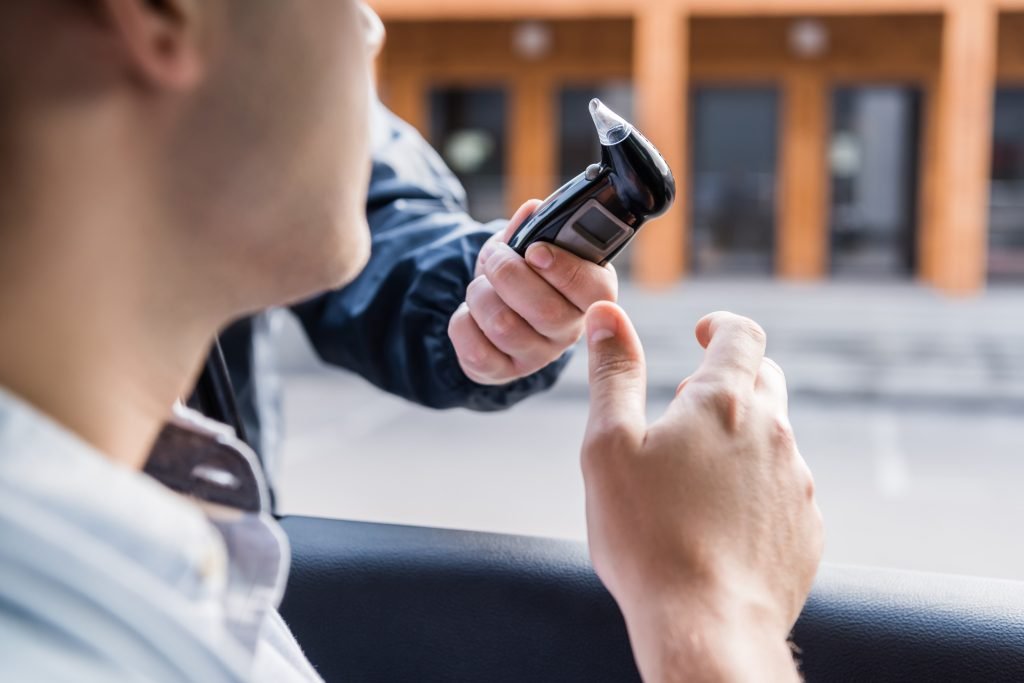
Refusing a breath test can result in consequences such as the suspension of your driver’s license or other penalties, depending on the laws in your area. To better understand your rights and the potential consequences you may face, it is essential to consult with a reputable criminal defense attorney near you. They can provide guidance and advice tailored to your situation, ensuring you make an informed decision.
It is important to consult a DUI defense lawyer immediately after a refusal or DUI arrest, as you have very limited time to challenge license suspensions and take other necessary action to protect yourself.
There are generally two types of breath tests that you may encounter in a DUI or DWI situation. It is crucial to understand the difference between these tests and the potential consequences of refusing them.
A preliminary breath test, or PBT, is often conducted roadside with a handheld device. The purpose of this test is to determine if there is probable cause to arrest you for DUI or DWI. While the specific laws vary by jurisdiction, it is important to note that refusing a PBT may not carry the same consequences as refusing an evidentiary breath test after arrest.
After being arrested for DUI or DWI, you may be asked to take an evidentiary breath test at a police station or official facility. This test is more accurate and is used as evidence in court. Refusing an evidentiary breath test can have serious consequences, including automatic driver’s license suspension, monetary fines, and possible enhanced penalties if later convicted of DUI. It is important to understand that the penalties for refusing a breath test are often administrative and can be imposed even if you are not ultimately convicted of DUI.
Implied consent laws come into play when refusing a breath test. When you obtain a driver’s license, you agree, in advance, to submit to chemical testing if lawfully arrested for DUI. The specific testing method, whether it be breath, blood, or urine, depends on the situation. Refusing a test after arrest typically violates implied consent laws and can result in the aforementioned penalties.
Implied consent laws vary by jurisdiction, so it is vital to consult with a seasoned criminal defense lawyer in your area to fully understand your rights and the potential consequences of refusing a breath test.
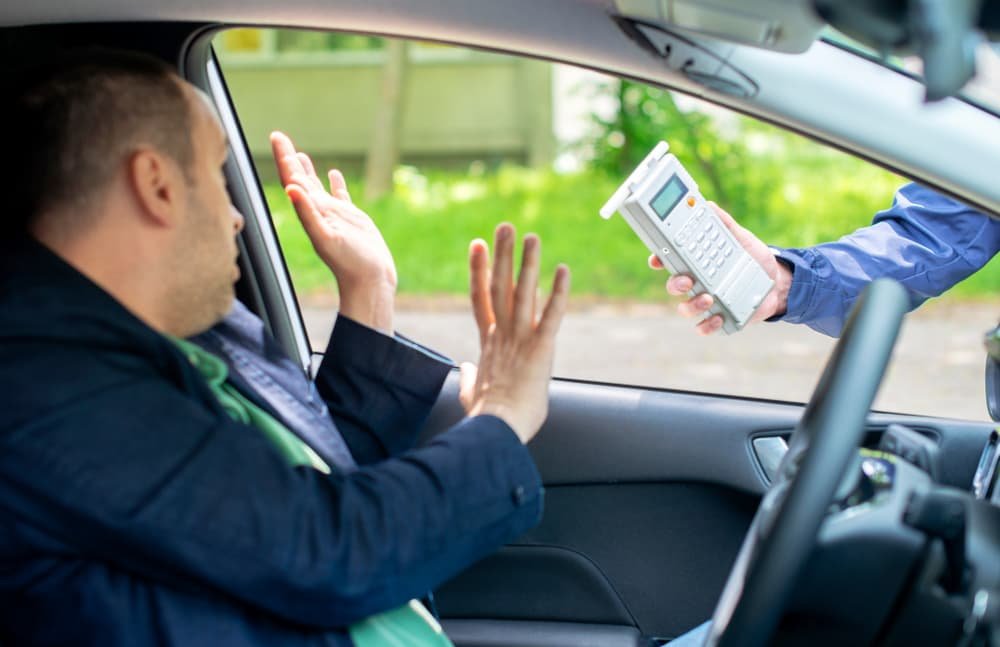
If you choose to refuse a breath test, several things may occur. The officer may obtain a warrant for a blood draw, you may be arrested or taken to jail, and your license may be confiscated on the spot. In many jurisdictions, your refusal can be used as evidence of guilt in court or may even be a separate criminal offense.
The consequences of refusing a breath test can be severe and can significantly impact your legal situation. It is crucial to understand your state’s laws and consult with a criminal defense attorney who can help clarify your options if you have refused a breath test.
While some individuals may consider refusing a breath test to avoid providing evidence that can be used against them, there are potential trade-offs to consider. While you may avoid giving a high blood alcohol concentration (BAC) reading, you risk facing harsher administrative penalties.
It is also important to note that refusing a breath test does not guarantee that you will not be convicted of DUI. Other evidence, such as field sobriety tests, officer testimony, and video footage, can still be used against you in court. In states with “no-refusal” laws, the police can also obtain warrants quickly to compel a blood test.
The decision to refuse a breath test should not be impulsive but informed. It is crucial to seek legal advice from a criminal defense lawyer who can provide you with the guidance you need based on the specific circumstances of your case.
You have certain constitutional rights during a traffic stop for a suspected DUI or DWI. These rights include the right to remain silent, the right to decline field sobriety tests (in most states), and the right to speak with a criminal defense attorney after arrest.
While it is crucial to assert your rights, it is essential to do so in a manner that does not escalate the situation. Remaining polite and calm and asking to speak with a criminal defense lawyer as soon as possible can help protect your rights and ensure you receive proper legal guidance.
Consulting with a criminal defense attorney is crucial if you have refused a breath test or have been charged with DUI. These cases can move quickly and carry serious consequences, including license suspension, fines, and even jail time. A skilled defense lawyer provides critical legal support and can make a significant difference in the outcome of your case.
An experienced criminal defense lawyer can assist in several ways, including:
In addition, a criminal defense lawyer can explain the legal process, provide peace of mind, and ensure you’re not pressured into decisions that don’t serve your best interests. Without proper representation, you risk facing the full force of the legal system without the tools to defend yourself.
Refusing a breath test is a serious decision that can have legal consequences, regardless of whether you are ultimately charged or convicted of DUI. Every case is different, and the laws in your state may significantly impact what happens next.
After a DUI stop or breath test refusal, the most important step is to speak with a skilled criminal defense attorney as soon as possible. They can help protect your license, your record, and your future. If you have refused a breath test or have been charged with DUI, contact a criminal defense attorney near you to understand your rights and build a strong legal strategy.
"*" indicates required fields

"*" indicates required fields
