In California, a restraining order can significantly impact your life, making it crucial to understand its implications. These orders are legal documents a court issues to protect individuals from harm or harassment. If someone files a restraining order against you, it may impact your reputation, employment opportunities, and personal relationships. Many wonder whether these orders appear on their public record and how they might influence their future.
At Olen Firm Los Angeles Criminal Defense Lawyers, we understand that a civil harassment restraining order, such as a domestic violence restraining order or protective order, is a significant concern. If this order is available to the public, it could impact your relationships with your loved ones and your current or future employment. Learn more about a civil restraining order below. Then, contact us to schedule a case consultation.
Restraining orders in California are designed to prevent harm by legally barring someone from specific actions, like approaching or contacting the person who sought the order. There are numerous types of restraining orders. These include domestic violence restraining orders, civil harassment restraining orders, and workplace violence restraining orders. Each order has a purpose, depending on the relationship between the parties and the nature of the threat. Understanding which type applies to your situation is critical.
Obtaining a restraining order involves petitioning to the court, showing evidence of harassment or harm, and possibly attending a hearing. If the court finds sufficient grounds, it may issue a temporary restraining order immediately, which will last until the court date for the permanent order. This process aims to provide immediate protection to those in need. The petitioner and the respondent must understand these steps to prepare adequately.

Having a restraining order against you in California can have several legal implications. It restricts your freedom in specific ways, such as where you can go and whom you can contact. Violating a restraining order is a criminal offense that can lead to arrest, criminal charges, and even jail time. The existence of a restraining order can also influence the outcomes of related legal proceedings, such as divorce or custody battles.
Furthermore, restraining orders can affect your reputation and personal relationships. They are a matter of public record, which means anyone can find out about them through the proper channels. This visibility can lead to judgments from others, even without understanding the situation's context. It's crucial to take restraining orders seriously and to follow the court's orders precisely.
A restraining order in California does not automatically become part of your criminal record. However, if you violate the order, the resulting criminal charges will appear on your record. This distinction is important because it means the mere presence of a restraining order does not imply criminal behavior. But compliance is critical to avoiding criminal implications.
Restraining order records are public in California, meaning anyone can access them through the court system. This accessibility ensures transparency and protection for the person who sought the order. However, it also indicates that your name could appear in connection with a restraining order in public searches. Employers, landlords, and others may find this information during background checks.
Despite their public nature, there are ways to manage the impact of a restraining order on your public image. For example, detailed explanations or legal actions can mitigate negative perceptions. It's essential to be proactive in addressing the presence of a restraining order in public records.
The difference between temporary and permanent restraining orders in California is significant. A temporary restraining order is issued quickly to provide immediate protection and lasts only until the court hearing for the permanent order. In contrast, a permanent restraining order can last years, depending on the court's decision. The process for challenging or extending these orders differs, so understanding these differences is crucial for both parties involved.
Temporary orders are often issued without the respondent's input, based solely on the petitioner's request and evidence. Permanent orders require a court hearing, where both parties can present their case. This hearing is a critical opportunity for the respondent to contest the order.

A restraining order can affect your employment prospects in California, especially if your job requires a criminal background check. While the order is not a criminal record, it can raise questions about your suitability for certain positions. Employers might view it as a risk factor, particularly in roles involving trust, security, or responsibility.
When asked about restraining orders in job applications or interviews, honesty is essential. Offering context and explaining any steps you've taken to address the issues can help mitigate potential concerns. Proactively managing the situation and seeking legal advice can also be beneficial.
In California, a restraining order can affect your right to own or possess firearms. The law often requires individuals with certain types of restraining orders against them to surrender their guns and prohibits them from purchasing new ones. This restriction aims to prevent potential harm and increase safety for everyone involved.
Understanding the specific conditions of your restraining order is crucial, as violating these terms can lead to severe legal consequences. If you're unsure about the implications of gun ownership, consulting with a criminal defense attorney can provide clarity and guidance.

If there's a restraining order against you, it's essential to understand how to address it adequately. Ignoring or failing to comply with its terms can lead to serious legal issues, including criminal charges. It is essential to take proactive steps to comply with the order and seek legal advice on managing its implications.
Challenging a restraining order in California requires understanding your legal options. You can contest the order during the court hearing for the permanent order, where you can present evidence and argue your case. It's also possible to request a modification or dissolution of the order if circumstances change.
Seeking the assistance of a criminal defense attorney can significantly increase your chances of success. An attorney can help you navigate the legal system, prepare your case, and represent you in court. This legal support is crucial in protecting your rights and interests.
Taking preventative measures and seeking legal advice can help avoid the need for a restraining order in the first place. Understanding the behaviors that lead to restraining orders and actively working to address any issues is crucial. If you're facing the possibility of a restraining order, consulting with a criminal defense attorney can provide strategies for prevention and defense.
Early intervention and legal guidance can often resolve situations before they escalate to needing a restraining order. This approach protects your legal rights and helps maintain your reputation and personal relationships. You do not want law enforcement officers to arrest you for violating a restraining order.

If you're dealing with a restraining order in California or want to understand your legal options, Olen Firm Criminal Defense Lawyers are here to help. Our experienced team specializes in restraining order cases, offering the support, guidance, and representation you need to navigate these challenging situations.
Whether you're seeking to contest a restraining order, need help understanding its implications, or want to explore preventative strategies, Olen Firm Criminal Defense Lawyers is your trusted partner.
Don't let a restraining order overwhelm or negatively impact your life without exploring your options. Contact us today to schedule a consultation. We're committed to providing you with the legal expertise and advice necessary to address your situation effectively and protect your rights.
"*" indicates required fields

Contact the Olen Firm today
213-999-8380. Our experienced Criminal Defense Law Firm is available for a Free Confidential Consultation.
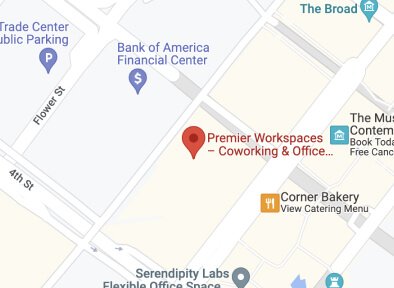
355 S Grand, Suite #2450 Los Angeles, CA 90071
Phone: 213-999-8380
"*" indicates required fields
