The most common types of domestic violence charges include assault, battery, stalking, harassment, and violating a protective order. These charges can arise from physical harm, threats, or emotional abuse against a partner or household member. A conviction for domestic violence—especially one involving physical force—can lead to the loss of your gun rights under both state and federal law. Even a misdemeanor can result in a lifetime ban on owning or possessing firearms.
A skilled Los Angeles criminal defense lawyer can handle every stage of your case, from arrest through trial or settlement. They will examine the evidence, challenge weak claims, and protect your constitutional rights. If you’ve already lost your gun rights, your attorney can also guide you through the legal steps to try to restore them, such as pursuing an expungement or applying for a pardon. Strong legal support gives you a better chance of protecting your freedom and future.
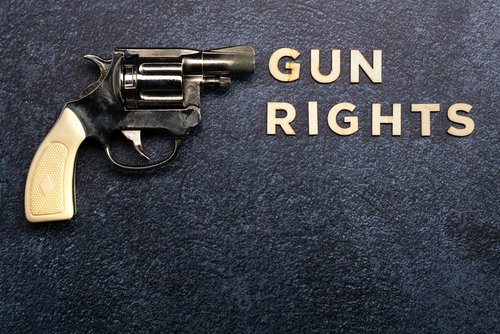
Domestic violence charges can arise from a variety of abusive actions within a family, household, or romantic relationship. These charges can be both misdemeanor and felony offenses, depending on the severity of the behavior and any prior history of abuse. Below are some of the most common types of domestic violence charges someone can face:
These charges can have serious consequences, including jail time, restraining orders, loss of child custody, and a permanent criminal record. Criminal defense attorney for me is a question many people ask at this point—and getting the right legal help early can make a big difference.
Being charged with domestic violence can lead to serious legal consequences, including the possible loss of your gun rights. In both state and federal law, certain domestic violence charges can result in a person being banned from owning, buying, or possessing firearms.
Under federal law, the Lautenberg Amendment makes it illegal for someone to possess a firearm if they have been convicted of a misdemeanor crime of domestic violence. This law applies even if the person was not sentenced to jail time. A conviction for even a minor domestic violence offense—such as a simple assault against a spouse, partner, or household member—can result in a lifetime ban on gun ownership under federal law. The restriction applies to any gun, including rifles, shotguns, and handguns.
In addition to federal laws, many states have their own rules. Some states will suspend a person’s gun rights immediately after a domestic violence arrest or if a protective order is issued. In those cases, you may be required to surrender any firearms you already own, and you may be barred from purchasing new ones while the case is pending.
Protective orders, also known as restraining orders, can affect gun rights. If a judge issues a protective order against you, you may be ordered to turn over your guns even if you have not been convicted of a crime. This requirement is a preventive step courts often take to ensure the alleged victim’s safety during the legal process.
Losing your gun rights can have a major effect on your life, especially if you use firearms for work, hunting, or personal protection. It is possible to try to restore your gun rights in some situations, but this process is often long, complicated, and not always successful.
If you are facing a domestic violence charge and are concerned about your gun rights, it’s important to speak with an experienced criminal defense attorney right away. They can explain the potential consequences of your case and fight to protect your legal rights. What happens if you violate a protective order or firearm restriction? You could face additional criminal charges and harsher penalties. Taking the situation seriously from the start gives you the best chance of minimizing the repercussions on your future.
Getting your gun rights back after a domestic violence charge can be very difficult, but in some cases, it is possible. Whether or not you can restore your gun rights depends on the details of your case, the laws in your state, and whether your conviction was for a misdemeanor or felony offense.
The first step is to understand why you lost your gun rights. If your rights were taken away because of a federal law—such as the Lautenberg Amendment—you may be unable to get them back through your state alone. Can you go to jail for violating firearm restrictions? Yes, possession of a firearm after a disqualifying conviction can result in federal or state prison time. However, some state-level remedies may help, depending on the circumstances of your conviction.
One possible path is to get your conviction expunged or set aside. An expungement means the court officially erases or seals your conviction from public record. Not all states allow expungement for domestic violence offenses, but in those that do, it may help restore your gun rights. You may need to wait several years after completing your sentence, probation, or court-ordered treatment.
Another option is to apply for a pardon. A pardon is a special form of forgiveness granted by the governor of your state (or the president, in federal cases). If granted, it may restore your civil rights, including the right to own or possess firearms. Pardons are not easy to get—you usually have to show that you’ve turned your life around and have not committed any more crimes.
If your gun rights were taken away due to a protective or restraining order, you can get them back once the order is lifted or expires. However, you should never try to buy or possess a gun while the order is still in effect, even if it’s temporary.
The laws around restoring gun rights are complicated and vary by state. If you are serious about trying to get your gun rights back, you should speak with a knowledgeable Los Angeles criminal defense lawyer. They can explain your options, guide you through the legal process, and improve your chances of success.
Restoring your rights may take time, but in some cases it’s possible with the right legal help and strong documentation of your rehabilitation.

A successful legal defense to a domestic violence charge depends on the facts of the case and the evidence available. Being accused of domestic violence is serious, but with the right defense, it may be possible to avoid a conviction, clear your name, and protect your future.
One of the most common defenses is a lack of evidence. In criminal cases, the prosecution must prove guilt beyond a reasonable doubt. If there are no witnesses, no physical injuries, or inconsistent statements from the alleged victim, your attorney may argue that there simply isn’t enough proof to support the charges.
Another strong defense is self-defense. If you were trying to protect yourself from being harmed, you may have acted in a way that looked aggressive but was meant to keep you safe. For example, if the other person hit you first or was threatening you with a weapon, your lawyer can argue that your actions were justified under the law. Possession of a firearm in a self-defense situation can complicate the case, especially if you're under a restriction, so your attorney will need to address that carefully.
Sometimes, the alleged victim may have made a false accusation, which can happen in heated arguments, divorce proceedings, or child custody battles. Your lawyer may present evidence such as text messages, witness statements, or past behavior to show that the accusation was not truthful.
Accidental harm can also be a defense. If the other person suffered an injury by accident, such as during a struggle or while you were trying to walk away, your attorney may argue that there was no intent to harm them, which is required for most domestic violence charges.
In some cases, your lawyer may challenge whether your legal rights were violated during the arrest or investigation. If the police failed to read your Miranda rights, searched your property without a warrant, or conducted an improper interview, the judge may dismiss some or all of the evidence.
Hiring an experienced Los Angeles criminal defense lawyer is key to building a successful defense. Your lawyer will carefully review the facts, speak with witnesses, gather records, and represent you in court. Every domestic violence case is different, and the best defense will depend on the details of your situation. With strong legal representation, it may be possible to reduce the charges, get them dismissed, or win at trial.
A knowledgeable criminal defense attorney can guide you through every stage of a domestic violence case, protecting your rights and building the strongest possible defense. These cases can move quickly and have serious consequences, so having an experienced attorney is extremely important.
At the very beginning, your attorney will explain the charges against you and what to expect in court. They can also speak with the police or prosecutor on your behalf, which helps prevent you from accidentally saying something that can hurt your case. If you’re arrested, your attorney can get you released on bail or request a lower bail amount.
During the investigation stage, your lawyer will gather evidence, interview witnesses, and look for weaknesses in the prosecution’s case. They may review police reports, medical records, and video or audio recordings. Carry a gun in the car in California laws are strict, and if your case involves a weapon found in a vehicle, your lawyer will check whether it was transported legally. If your rights were violated during the arrest—such as an illegal search or failure to read your Miranda rights—your lawyer can file motions to suppress evidence.
In the pre-trial phase, your attorney will represent you at hearings and work to negotiate with the prosecutor. They can get your charges reduced or even dismissed. In some cases, your lawyer can arrange for you to enter a diversion program, which may allow you to avoid a conviction if you meet certain conditions, like attending counseling or staying out of trouble for a set time.
If your case goes to trial, your attorney will fight for you by presenting evidence, questioning witnesses, and challenging the prosecution’s arguments. A skilled lawyer knows how to tell your side of the story clearly and convincingly to a judge or jury.
Even after the trial, your lawyer can represent you during sentencing or file an appeal if necessary. They will work to protect your record, your rights, and your future.
Domestic violence cases are serious, but with a knowledgeable criminal defense attorney on your side, you don’t have to face the process alone. From start to finish, your lawyer will stand by you, protect your rights, and work toward the best possible outcome.

If you’re currently facing a domestic violence charge, you need experienced legal help on your side. A skilled Los Angeles criminal defense lawyer will do everything possible to minimize the consequences you face, including those pertaining to gun rights. They can also represent you during all legal proceedings and pursue the best possible result on your behalf.
"*" indicates required fields

"*" indicates required fields
