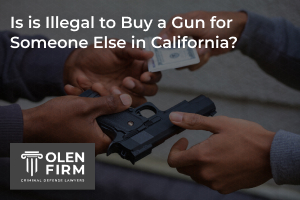
California has strict laws about who can own a gun and how you can buy one. If you're thinking of buying a gun for someone else, note that it could be illegal. This rule helps keep guns out of the wrong hands and ensures that all gun owners are responsible and qualified.
At Olen Firm Los Angeles Criminal Defense Lawyers, we can help you figure out who can and cannot own, transfer, or sell a gun. A firearm safety certificate is important, and you need to work with a federal firearms licensee or licensed gun dealer to ensure the transaction is handled appropriately.
Learn more about gun transactions and the handgun safety certificate below. Then, give us a call to schedule a free case consultation.
California gun laws are some of the most rigorous in the United States. They're designed to prevent gun violence by ensuring that only people who are eligible and have passed the necessary checks can own guns. When you buy a gun in California, you must do so through a licensed dealer, undergo a background check, and wait ten days before you can take the gun home. California law imposes a variety of conditions and restrictions.
In addition, you have to be at least 21 years old to buy a handgun and 18 for a shotgun or rifle. The state also bans most assault weapons and high-capacity magazines. These laws are in place to enhance public safety and reduce the risk of firearms falling into the wrong hands.

When you buy a gun for someone else in California, you have to tread carefully. The law requires the person who will end up owning the gun to be the one who buys it. This ensures that the person undergoes a background check and is legally eligible to own a firearm.
A straw purchase takes place if someone who can legally buy a gun does so for someone who can't. This is illegal in California and under federal law. The person who makes the straw purchase can face serious state and federal charges. If you are convicted under federal law, you could face up to 10 years in prison and a fine of up to $250,000.
Straw purchases are a common way that guns end up in the wrong hands. California cracks down hard on these purchases to prevent gun trafficking and illegal ownership. That's why it's vital to understand what you're getting into if you're considering buying a gun for someone else.
There's a thin line between gifting a gun and making an illegal purchase. You can legally buy a gun as a gift in California, but there's a catch. The recipient must be legally allowed to own a gun and go through the proper transfer process, including a background check. Skipping any of these steps can land you in hot water.
If you buy a gun for someone who isn't allowed to own one, like a convicted felon or someone with certain mental health conditions, you're breaking the law. The consequences are severe. You could face felony charges, which can result in a prison sentence and a permanent mark on your criminal record.
Your consequences will vary depending on the law(s) broken. For example, was the purchase a straw purchase? Was the recipient a convicted felon? Were federal laws broken?
Many unlicensed gun sales are covered under California Penal Code 26500. Breaking this law is a misdemeanor, and you could face up to six months in county jail and a fine reaching up to $1,000. As a general rule, several groups of people are not allowed to own a firearm in California. They include:
Keep in mind that numerous aggravating factors could lead to further charges, depending on the circumstances. Many of these could result in felony charges.

Now, there are some exceptions to these strict rules. For example, parents can sometimes buy guns for their adult children and vice versa. But you can't just hand over a gun. The recipient must still pass a background check and complete all the necessary paperwork.
Another exception is if you're the executor of an estate with firearms. You can transfer those guns to the people named in the will, but again, they have to be eligible to own guns. These exceptions exist to balance public safety with personal rights.
Background checks are a cornerstone of gun purchases in California. They help keep guns away from those who shouldn't have them, like violent criminals or people with certain mental illnesses. Every time someone buys a gun, they have to pass a background check, with no exceptions.
This check looks at your criminal record, your mental health history, and whether you have any restraining orders against you. It's a way for the state to vet potential gun owners. And it works. Background checks have stopped countless ineligible people from getting their hands on firearms.
It's important to remember that federal laws also apply when you're buying a gun. Sometimes, federal laws are stricter than state laws. For instance, federal law requires you to be at least 18 to purchase a shotgun or rifle and 21 for a handgun. California has the same age requirements, so you must meet state and federal rules to purchase.
Federal law also says you can't buy a handgun in a state where you don't live. If you try to buy a gun in Nevada to bring back to California, you're still breaking the law.
Federal law also says you can't buy a handgun in a state where you don't live. If you try to buy a gun in Nevada to bring back to California, you're still breaking the law.
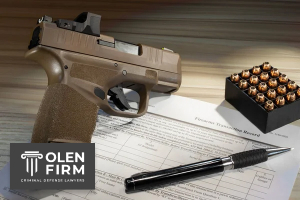
If you want to transfer a firearm in California, there's a right way to do it. You need to follow the law closely to make sure everything is legit.
To transfer a gun legally, you'll need the right paperwork. You need to fill out a Firearm Ownership Record and a Report of Operation of Law or Intra-Familial Handgun Transaction. These forms tell the state who is selling and buying the gun.
You also need to keep records of these transactions for at least ten years. These records help the law enforcement agent if they ever need to trace a gun.
You can't just transfer a gun in a parking lot or at your house. You have to use a licensed firearms dealer. They're the only ones who can run the necessary background checks and ensure that all laws are followed.
Using a licensed dealer isn't just about following the law. It's about safety. These dealers know the ins and outs of the law and can prevent illegal transfers. They're a critical part of keeping everyone safe.
Transferring a firearm in California requires attention to detail. The steps to follow include:
After you complete these steps, the gun will be legally transferred. Keep a copy of all paperwork for your records. This documentation will be vital if you ever need to prove that the transfer was legal.
The key to staying on the right side of gun laws is knowledge. State and local laws can be confusing, and you don't want to have local law enforcement knocking on your door. If you have questions about who is legally prohibited from purchasing or owning a firearm, give us a call.

State law is strict, and the additional local laws can be tedious. If you have questions about an assault weapon, a handgun, or firearm transactions, you need to follow state and federal laws.
At Olen Firm Criminal Defense Lawyers, we understand federal and California law and can explain when it is legal for someone to purchase and possess firearms. If you have been charged with a state or federal crime related to firearms, we are here to help you.
Contact us today to schedule a free case consultation.
"*" indicates required fields

Contact the Olen Firm today
213-999-8380. Our experienced Criminal Defense Law Firm is available for a Free Confidential Consultation.
355 S Grand, Suite #2450 Los Angeles, CA 90071
Phone: 213-999-8380
"*" indicates required fields
