
In the state of California, carrying a concealed weapon falls under Penal Code 25400(a). This makes it illegal for an individual to possess a concealed firearm on their person or in a vehicle. This statute is strict due to the potential risks involved with concealed weapons being carried in public spaces. When someone is arrested under this law, it's crucial to understand that the consequences are serious. Therefore, legal guidance is imperative. Olen Firm Los Angeles Criminal Defense Lawyers specializes in these cases and can provide the necessary expertise to navigate the complex legal system.
The act of concealing a weapon can be nuanced. It involves various scenarios. For example, you might have a concealed gun tucked away in a glove compartment. Or, you might be carrying a concealed firearm in a purse without the requisite concealed carry permit. Understanding the nuances of these laws and the defenses available requires an experienced criminal defense attorney.
Let our Los Angeles gun crimes lawyer analyze each detail of the case and protect your rights.
In the legal context, PC 25400(a) specifically targets the act of having a firearm carried concealed upon one's person or within reach inside a vehicle. The law defines a concealed weapon as any firearm that is hidden or not immediately recognizable as a firearm, whether it is a loaded or unloaded gun. Even an unloaded firearm, if possessed illegally, could lead to stiff punishment.
These definitions are crucial in the court of law as they determine whether the act falls within the bounds of criminal charges. This could be treated differently when compared to a firearm carried openly.
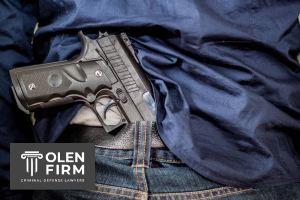
A weapon is considered "concealed" in California if it is hidden from plain view, meaning it's not observable by the public or a police officer. For instance, firearms carried openly in a belt holster are not concealed, whereas the same firearm tucked under a jacket is. The distinction also extends to weapons concealed within a vehicle, such as in a glove compartment or under a seat. If the firearms are concealed upon the person, they could be considered concealed.
Of note, if you are openly carrying the weapon, you are not guilty of violating this specific statute. However, you could be violating PC 26350. This makes it a crime to openly carry a handgun outside of a vehicle in a public place.
California's PC 25400(a) demands that for a concealed weapon charge, the accused must know they're carrying it. Conviction requires proving that an individual knew they had a concealed weapon with them. This knowledge is essential because it differentiates between intentional concealment and accidental carrying. The burden is on the prosecution to establish that the accused was aware of the weapon and its concealment.
If a person unknowingly carries a weapon, this fact can weaken the prosecution's argument. Proving unawareness of a concealed weapon could be a strong defense. For example, if someone else hides a gun on another's property, the owner might credibly claim they didn't know. Highlighting this nuance is crucial for a defense lawyer contesting a PC 25400(a) charge.
There are several exceptions to the concealed weapon law, one of which includes lawful possession by a legal owner with a valid concealed carry permit. Furthermore, certain professions, like police officers, are permitted to carry concealed firearms as part of their duties, and this is taken into account under California law.
A violation of PC 25400(a) can result in varying levels of criminal charges, from a misdemeanor offense to a felony conviction, depending on the circumstances of the case and whether the person convicted has a prior misdemeanor conviction. Therefore, this charge is considered a wobbler. For example, the presence of a prior felony conviction can escalate the charges to a felony level.

Building a solid defense against charges of carrying a concealed weapon can involve a variety of defenses. They include:
Lawful possession of a firearm and having a valid concealed carry permit can significantly impact the defense strategy. If the accused can demonstrate that they are the legal owner of the firearm and have the necessary permits for concealed carry, the charges may be reduced or even dismissed.
We could challenge the original search that turned up the gun and led to the charges. If a lawyer can establish that there was police misconduct or that the search violated constitutional rights, the evidence may be deemed inadmissible.
The defense of lack of knowledge is pivotal in cases where an individual had no intention of violating the law. For instance, if someone borrowed a vehicle and was unaware of a concealed gun within, they might not be held liable under PC 25400(a).
A knowledgeable criminal defense attorney might argue that the firearm was not actually concealed or that the individual had no knowledge of its presence. As mentioned above, if you had no knowledge of the gun's presence, the prosecution would have a hard time convicting you.
You could also say that you were carrying the weapon in self-defense because you thought your life was in imminent danger. A strong defense lawyer could convince the jury of this argument. If you believed your life was in danger, you might avoid conviction under this law.
A conviction under PC 25400(a) can tarnish an individual's record, potentially leading to difficulties in securing employment or housing due to a felony conviction being of public record. Even after serving time in county jail or paying fines, the long-term effects can continue to impact one's life.
To lawfully carry a concealed firearm in California, one must navigate specific concealed carry laws. The process begins with applying for a concealed carry permit. A background check and firearms training are crucial steps for approval. Each county may have additional requirements to fulfill.
Once the permit is granted, the holder must understand and follow all firearm regulations. This not only promotes safety but also ensures the carrier is legally protected. The importance of these steps cannot be overstated; they are foundational for lawful concealed carry within the state.
PC 25400(a) offenses can escalate from misdemeanors to felonies based on several factors. While a misdemeanor conviction can lead to stiff penalties, the consequences of a felony conviction are much harsher. Some of the factors that could elevate this charge to a felony include:
We will do everything possible to reduce your charges or dismiss your case.
Under this law, if you are convicted of a misdemeanor offense, you could face a year in county jail and a fine of up to $1,000. In some cases, you could be granted probation. If you are convicted of a felony, you could face multiple years in jail and a fine of up to $10,000.
Facing charges under PC 25400(a) for possession of a concealed weapon can be overwhelming, but taking the right steps immediately can impact the outcome of your case. A few steps to follow include:
After you're charged, building a robust defense and taking steps toward a favorable outcome is crucial. Olen Firm Criminal Defense Lawyers is ready to help you fight these charges and work towards protecting your future. We could even protect your right to possess firearms.

Facing charges for possession of a concealed weapon under California Penal Code Section 25400(a) is challenging, but you don't have to go through it alone.
Olen Firm Criminal Defense Lawyers has the expertise to guide you through the legal maze and fight for your rights. Our dedicated attorneys understand the stakes. We will do everything we can to secure a favorable outcome in your case.
Contact us today to schedule a free consultation.
"*" indicates required fields

Contact the Olen Firm today
213-999-8380. Our experienced Criminal Defense Law Firm is available for a Free Confidential Consultation.
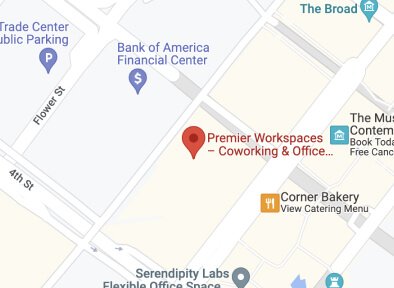
355 S Grand, Suite #2450 Los Angeles, CA 90071
Phone: 213-999-8380
"*" indicates required fields
