
You might feel confused and stressed if you're facing a no-contact order. This order can suddenly limit who you can see or talk to, affecting your life. It's normal to have many questions about what this means for you and what you should do next.
One thing is clear: complying with a no-contact order is needed to respect the court's decision and your own legal safety. Olen Firm Los Angeles Criminal Defense Lawyers can help you determine how to respond to such orders.
No-contact orders can seem heavy, especially if you feel they're unjust. But they are legally binding, and ignoring them can lead to serious consequences.
Remember, the order is temporary, and there are legal ways to address it if you believe it's wrong. The first step is understanding exactly what a no-contact order involves and how it applies to your situation.
A no-contact order is a legal command issued by a court that prevents someone from making any form of contact with another person. This can include phone calls, texts, emails, or even showing up where they are.
The idea is to protect someone from potential harm or harassment by legally enforcing distance between the individuals involved. It's a critical matter that the courts do not take lightly.
These orders can be issued in various situations, including domestic violence cases or when there's a risk of harassment. They can be temporary, lasting only until a court hearing, or permanent, depending on the case's outcome. No matter the type, breaking this order violates the law.
No-contact orders serve to protect individuals from potential harm or harassment. They are based on the principle that everyone has the right to feel safe and secure.
By restricting someone's ability to make contact, the court aims to prevent situations from escalating into more severe incidents. These orders are not punishments but protective measures.
The legal basis for no-contact orders lies in the need to safeguard individuals from threats, stalking, harassment, or domestic violence. When issuing an order, the court considers the safety of the alleged victim and any evidence of potential danger.
It's a preventive action that courts use to intervene before harm can occur. For anyone subject to a no-contact order, it's vital to understand this context and comply fully with the order.
Complying with a no-contact order is not optional. It is a legal requirement. Ignoring this order can lead to arrest, fines, and even jail time. The court takes these orders seriously because they protect people's safety. If you're under a no-contact order, following it to the letter is the best course of action for your legal situation.
Violating a no-contact order can result in immediate arrest and criminal charges. The legal consequences are severe because the violation is considered a direct disregard for the court's authority and the safety of the individual protected by the order. Not only could you face fines and jail time, but it could also negatively impact any related legal proceedings.
A second violation of a no-contact order can lead to even harsher penalties. The courts may increase the restrictions placed on you or extend the duration of the order.
Each violation is recorded, which can harm your reputation in the legal system and affect the outcome of any current or future court cases involving you.
Violating a no-contact order can seriously affect pending legal cases, such as divorce or custody battles. It can negatively influence the court's perception of you, making it harder to achieve a favorable outcome. The violation can also be used as evidence against you in a domestic violence case, potentially leading to a conviction.
A record of violating no-contact orders can also affect future legal proceedings. It might impact your ability to gain employment, custody of your children, or even housing. Courts view violations as indicators of behavior, which can prejudice judges and juries against you in unrelated cases.
Accidents happen, and you might unintentionally violate a no-contact order. Knowing how to handle such situations is important to minimize legal repercussions.
Keeping a detailed record of your efforts to comply with the no-contact order is vital. This includes documenting any changes you've made to your routine to avoid accidental contact and any communications with your lawyer regarding the order. These records can be vital if you need to defend yourself against allegations of intentional violation.
Documenting includes noting any changes in residence, employment, or daily routes that minimize the risk of physical contact.
It also means keeping receipts, emails, or messages showing you're actively avoiding violation. This level of diligence demonstrates to the court your commitment to complying with the order and your respect for the legal process.
Sometimes, circumstances change, and a no-contact order may no longer be necessary or appropriate. In such cases, there are legal ways to request modifications or lifting of the order.
A no-contact order can be modified or lifted if there's a huge change in circumstances. This might include reconciliation efforts, changes in living situations, or if the alleged victim wishes to remove the order. However, the court must approve any changes through a formal process.
Modifications are also possible if both parties agree to undergo counseling or mediation. The court will consider such efforts as positive steps toward resolving the underlying issues that led to the no-contact order.
Remember, only a judge can officially change or lift a no-contact order, regardless of the parties' personal agreements.
Knowing your rights and limitations under a no-contact order is essential for navigating the situation legally and safely. This includes awareness of the specifics of the order, what constitutes a violation, and how to seek changes legally.
If you're subject to a no-contact order, seeking legal advice is important. A criminal defense lawyer can explain the order's implications, help you understand your rights, and advise on compliance. They can also represent you in court if you wish to modify or challenge the order.
Legal representation is invaluable, especially if the no-contact order affects your daily life. Your lawyer can advocate on your behalf, ensuring your voice is heard, and your rights are protected. They can also help guide you through the complex legal system, making the process less daunting.
A temporary restraining order or civil no-contact order can severely impact your life. Direct or indirect contact in violation of a domestic violence restraining order can have severe consequences. If you face a court order imposing a permanent no-contact order, let us help you.
Olen Firm Criminal Defense Lawyers has experience with all types of restraining orders. Let us help you fight back against a permanent restraining order. Contact us today to schedule a free consultation.
"*" indicates required fields

Contact the Olen Firm today
213-999-8380. Our experienced Criminal Defense Law Firm is available for a Free Confidential Consultation.
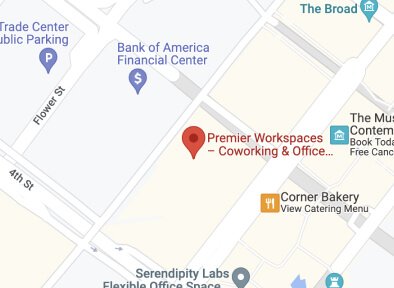
355 S Grand, Suite #2450 Los Angeles, CA 90071
Phone: 213-999-8380
"*" indicates required fields
