If authorities stopped you or a loved one on suspicion of driving under the influence (DUI) in Pasadena, you know how overwhelming and frightening the experience can be. In those crucial moments, it's all too easy to feel powerless and unsure of what to do or say.
You need to remember that you have constitutionally protected rights that safeguard you during interactions with law enforcement. Understanding "What are your rights during a DUI Stop in Pasadena" can help you protect yourself and potentially avoid severe consequences.
Read on to learn more about your rights during a DUI stop in Pasadena, what to expect during a traffic stop, and what you can do to mitigate the possible fallout from the situation. For specific advice, guidance, and representation regarding your DUI charges, contact a Pasadena DUI attorney for a free consultation.
Pasadena, like many cities in California, takes driving under the influence very seriously. Law enforcement officers are vigilant in their efforts to identify and stop impaired drivers, especially during weekends, holidays, and late-night hours. DUI stops can occur for various reasons, from obvious signs of impairment to minor traffic violations that lead to further investigation.

In Pasadena, these stops typically follow a pattern:
Each of these stages comes with its own set of legal considerations and potential pitfalls for drivers.
Knowledge is power, especially when it comes to protecting your rights during a DUI stop. Understanding what officers can and cannot legally do, as well as what you are and aren't required to do, can significantly impact the outcome of your encounter.
However, the complexities of DUI law can be overwhelming, especially in the heat of the moment. That's where the guidance of a skilled Pasadena DUI attorney becomes invaluable. An attorney who's well-versed in local laws and procedures can help you navigate the legal system. They can challenge improper police conduct and work towards minimizing the potential consequences of a DUI arrest.
For a DUI stop to be legal in Pasadena, law enforcement officers must have probable cause. This means they need a valid reason to believe that a crime has been, is being, or is about to be committed. In the context of a DUI, this could be:
It's important to note that officers can't pull you over based on a hunch or discriminatory reasons. The stop must be justified by specific, articulable facts.
While probable cause is needed for an arrest, officers only need reasonable suspicion to initiate a traffic stop. Reasonable suspicion is a lower standard than probable cause. It means the officer has a reasonable belief, based on specific facts, that criminal activity may be afoot.

For a DUI stop, reasonable suspicion might include:
Remember, even if you're stopped for an unrelated traffic violation, officers can develop reasonable suspicion of DUI during the stop based on their observations.
One of the most fundamental rights you have during a DUI stop is the right to remain silent. The Fifth Amendment to the U.S. Constitution protects this right, which safeguards against self-incrimination.
You're not obligated to answer when an officer asks if you consumed alcohol. In fact, it's often in your best interest to politely decline to answer such questions. Anything you say can be used as evidence against you, so limiting your statements can be crucial to your defense.
While you have the right to remain silent about potentially incriminating matters, you must provide certain basic information during a traffic stop. This includes:
Refusing to provide this information can lead to additional charges or complications.
Beyond these basics, you can politely decline to answer other questions. If an officer asks where you're coming from, where you're going, or if you've been drinking, you can respond with something like:
"Officer, I respect your job, but I don't wish to answer any questions without my attorney present."
Remember to remain calm and respectful, even as you assert your rights. Hostility or aggression towards an officer can escalate the situation unnecessarily.
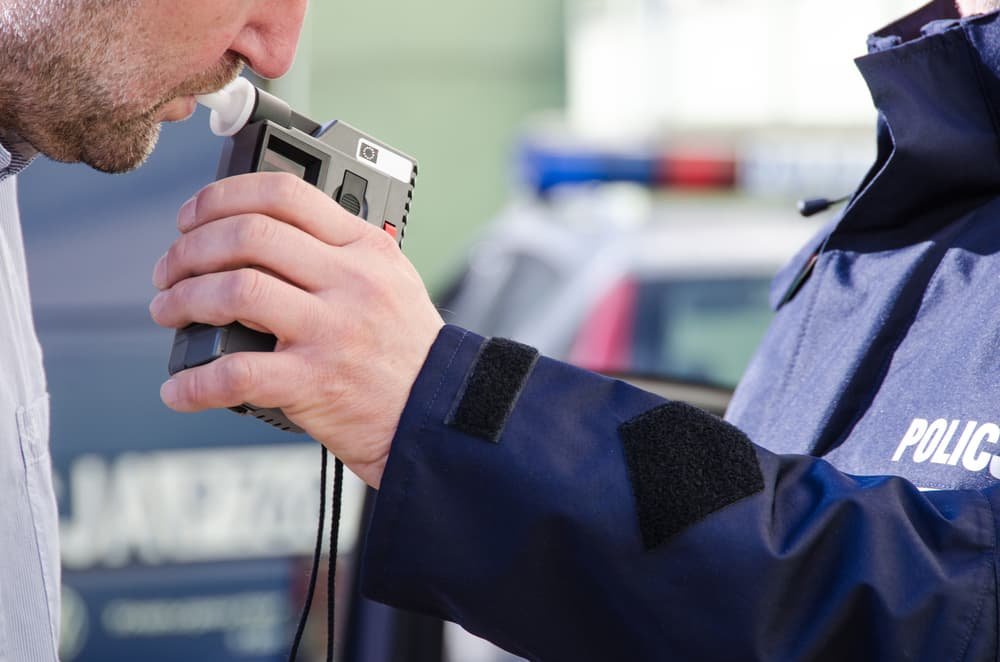
One of the most common misconceptions about DUI stops in Pasadena is that field sobriety tests are mandatory. They're not. You have the right to politely refuse to participate in these tests.
Field sobriety tests are designed to be difficult, even for sober individuals. They often involve tasks that challenge balance, coordination, and the ability to follow instructions. Any of these can be affected by factors other than drug or alcohol impairment, such as fatigue, medical conditions, or even nervousness.
While you can refuse field sobriety tests without direct legal penalty, it's important to understand that your refusal may:
Be used as evidence of impairment in court
Lead the officer to request a chemical test (breath or blood)
Result in your arrest if the officer has other reasons to suspect impairment
If you do choose to participate in field sobriety tests, the most common ones used in Pasadena are:
These tests are subjective, and a skilled DUI attorney can challenge them in court.
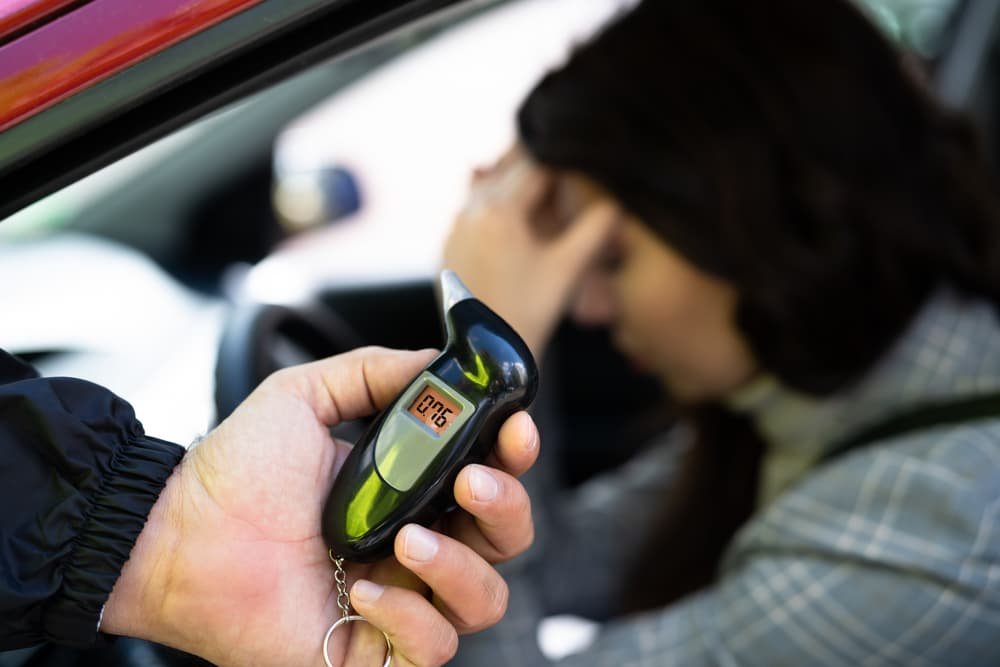
California, like many states, has "implied consent" laws. By driving on California roads, you've implicitly agreed to chemical testing if you're lawfully arrested for DUI. This usually means a Breathalyzer test, but could also involve a blood test.
It's crucial to understand the difference between preliminary alcohol screening (PAS) tests often offered at the roadside, and evidential breath tests at the station. You can refuse the roadside PAS without penalty (unless you're under 21 or on DUI probation). However, refusing an evidential test after arrest can lead to serious consequences.
If you refuse a post-arrest chemical test in Pasadena, you face:
These penalties are in addition to any consequences of a DUI conviction.
While Breathalyzers are widely used, they're not infallible. Various factors can affect their accuracy, including:
Interference from certain medical conditions or diets
The presence of mouth alcohol from recent drinking or regurgitation
A knowledgeable DUI attorney can challenge Breathalyzer results based on these and other factors.
During a DUI stop in Pasadena, officers need either your consent or probable cause to search your vehicle. They may search without consent if:
You have the right to refuse consent for a vehicle search. If an officer asks to search your car, you can politely but firmly say:
"I do not consent to any searches."
Remember, even if you've done nothing wrong, allowing a search can lead to complications or misunderstandings. It's often best to assert your Fourth Amendment rights and refuse searches.
If you're arrested for DUI in Pasadena, the officer should read you your Miranda rights. These include:
Invoke these rights. Saying "I wish to remain silent, and I want to speak with an attorney" can protect you from self-incrimination.
Once you've been arrested and invoked your right to an attorney, the police must stop questioning you until your lawyer is present. This is why you need a reliable DUI attorney you can call in such situations.
After arrest, you'll be taken to a Pasadena police station for booking. This process typically involves:
The booking process can be intimidating, but you still have the right to remain silent and the right to an attorney.
After booking, you have the right to make at least one phone call within a reasonable time. This call is typically to arrange for bail or to contact an attorney. Calls to your attorney are privileged and cannot be monitored by police.
In many DUI cases in Pasadena, you may be released on your own recognizance or after posting bail. The amount of bail depends on factors like:
A judge will set the bail amount at your first court appearance, which usually occurs within 48 hours of arrest.
After a DUI arrest in Pasadena, you'll face two separate proceedings:
It's crucial to be aware of these timelines and to have legal representation to guide you through both processes.
Facing DUI charges in Pasadena can be overwhelming, but you don't have to go through it alone. The complexities of DUI law, the potential for severe consequences, and the stress of navigating the legal system all underscore the importance of having skilled legal representation.
At Olen Firm, we understand the challenges you're facing. Our team has a deep understanding of Pasadena's local laws, courts, and procedures. We can:
If you or a loved one has been arrested for DUI in Pasadena, time is of the essence. The sooner you get legal help, the better your chances of getting positive results. That's why we offer a free, confidential consultation to discuss your case.
We will explain your options and the best course of action to get a favorable outcome. You can rely on us for impassioned advocacy and personalized attention through every aspect of the process. You can also count on us to be right there with you, protecting your rights along the way.
Contact Olen Firm today for a free, confidential consultation. Your future is worth fighting for, and we're here to fight alongside you. Let's work together to navigate this challenging time and pursue the best possible outcome for your case.
"*" indicates required fields

"*" indicates required fields
