A criminal restraining order can be requested against you by the alleged victim of a crime, usually through the prosecutor's office. This often happens in cases involving domestic violence, harassment, stalking, or threats. Sometimes, witnesses or others connected to the case may also seek protection. Even if the victim does not want the order, the court can still issue it if there is enough evidence.
If a criminal restraining order is issued against you, a skilled Los Angeles criminal defense lawyer can help by reviewing the case, challenging false claims, and representing you in court. They can explain your rights, help avoid violations, and work to modify or cancel the order if it is unfair or unnecessary.
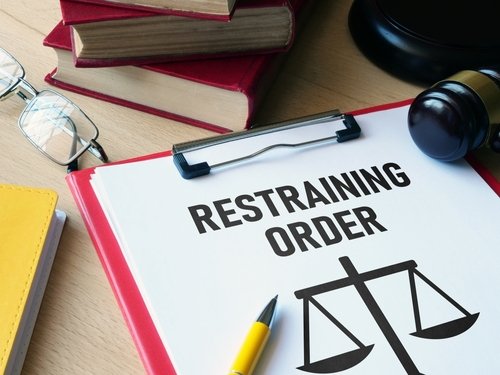
A criminal restraining order is a legal order issued by a judge in a criminal case to protect a victim or witness from being harassed, harmed, or contacted by the defendant. It is usually issued when someone is accused of committing a crime such as domestic violence, assault, harassment, stalking, or another offense involving threats or harm. The main goal of a criminal restraining order is to provide safety and peace of mind to the person who may be at risk. This type of order can prevent the defendant from coming near the protected person's home, workplace, or school and from calling, texting, emailing, or contacting them in any way.
Unlike civil restraining orders, which can be requested by individuals through a separate court process, criminal restraining orders are part of a criminal prosecution. The judge often issues them at the request of the prosecutor, especially when the alleged victim expresses fear or concern for their safety. A judge may also issue the order on their own, based on the evidence presented in the case.
Anyone who is the alleged victim of a crime can request a criminal restraining order through the prosecutor's office. In most cases, prosecutors will consult with the victim before asking the court for the order. However, even if the victim does not want the order, the court may still issue it if there is enough evidence that the person needs protection.
If a criminal restraining order is issued against you, it is very important to follow all of the terms exactly as they are outlined. Violating the order can result in additional criminal charges, including jail time or fines. A skilled Los Angeles criminal defense lawyer can help you understand your rights and defend against any false or exaggerated claims. If you believe the order is unfair or unnecessary, your lawyer can request a hearing to challenge or modify it in court. Does violating a restraining order stay on your record? Yes, it can. A violation is typically treated as a separate criminal offense, which may appear on your permanent criminal record and impact future background checks, employment opportunities, and court proceedings.
Violating a criminal restraining order is a serious offense that can lead to harsh legal consequences. A criminal restraining order is issued by a judge to protect someone, usually a victim or witness, from contact or harm by the defendant in a criminal case. If you are the subject of one of these orders, you are legally required to follow every part of it. Breaking any part of the order—even by accident—can result in new criminal charges being filed against you.
One of the most common violations is contacting the protected person in any way, including in-person visits, phone calls, text messages, emails, or messages sent through social media. Even asking someone else to contact them on your behalf is a violation. Approaching the protected person at their home, school, or job can also count as breaking the order. The court does not accept "I didn't mean to" as an excuse.
If you violate your restraining order, you can be charged with a separate crime, often called "contempt of court." Depending on the state and the circumstances, penalties might include jail time, fines, probation, or an extension of the restraining order. If violence or threats are involved in the violation, the penalties can be much more severe. A violation can also negatively affect your existing criminal case, making it harder to get a favorable outcome.
Judges take restraining orders very seriously because they are designed to keep people safe. If the court believes you are ignoring the law or putting someone at risk, you can lose certain rights, including custody of your children or the chance to remain out on bail.
If you are accused of violating a restraining order, it's important to speak with a criminal defense lawyer right away. Your lawyer can review the facts, explain your rights, and represent you in court. They may also show the judge that the violation was unintentional or there was a misunderstanding. Taking the situation seriously and acting quickly can help protect your future and your freedom.
If a criminal restraining order is issued against you, it doesn't automatically mean you are guilty or that you've done something wrong. You have the right to defend yourself in court. A criminal restraining order is meant to protect someone who claims they are in danger. Sometimes, these orders are based on false accusations, misunderstandings, or exaggerations. There are several defenses you can raise to challenge the order and protect your rights.
One common defense is that the allegations are false. People sometimes make false claims out of anger, jealousy, or as a way to gain an advantage in another legal case, like a custody battle. If you can show the accusations aren't accurate or that the person is lying, the court may cancel or deny the restraining order.
Another defense is that there is not enough evidence to justify the order. The judge needs clear proof that the person is in danger or has been harmed. If the evidence is weak or based only on someone's word without any real support, your Los Angeles criminal defense lawyer can argue that the order is not necessary.
You might also show that your actions were misunderstood. For example, if you accidentally ran into the person at a public place or responded to their message without realizing there was a no-contact rule, that can be a valid explanation. In some cases, the other person might have contacted you first, and you simply replied.
It's also possible to argue that the order puts an unfair burden on your life, like keeping you away from your home, your kids, or your job. If the order causes serious problems that outweigh the need for protection, the judge might agree to change or cancel it.
A skilled defense lawyer can gather the necessary evidence, question witnesses, and present your side of the story in court. With the right defense, you may be able to stop the restraining order or have it modified so it's more fair and reasonable. No matter the situation, you have the right to be heard and to protect your reputation and future. Violations of criminal restraining orders are taken seriously by the courts and can result in additional charges, fines, and jail time. Even unintentional contact or minor infractions may be prosecuted, so it's critical to have legal guidance to avoid further complications.
If a criminal restraining order has been issued against you, a knowledgeable criminal defense attorney can be one of your most important resources. These types of orders can affect your freedom, your reputation, and even your ability to see your family or go to certain places. A criminal defense attorney understands the legal system and can protect your rights every step of the way.
First, your attorney will carefully review the details of the case, including the reasons the restraining order was issued and any evidence that was used to support it. They will listen to your side of the story and look for ways to challenge the claims being made against you. If the order was based on false accusations or misunderstandings, your lawyer can work to show that in court.
A seasoned defense attorney can also request a hearing to fight the restraining order. During the hearing, your lawyer can present evidence, question witnesses, and argue that the order is not necessary or should be changed. Sometimes, they can show that there is not enough proof to support the order or that it was requested for the wrong reasons, such as revenge or to gain an advantage in another legal matter.
In addition, your lawyer can help you understand the terms of the restraining order so that you don't accidentally break it. Violating even a small part of the order can lead to serious criminal charges. Your attorney can explain what you are allowed and not allowed to do and help you avoid mistakes that can hurt your case.
If you are facing other criminal charges related to the restraining order, like domestic violence or harassment, your lawyer can also defend you in that part of the case. They may be able to negotiate a better outcome, reduce charges, or even get the case dismissed.
Having a skilled criminal defense attorney on your side means you won't have to face the legal system alone. They can fight for you in court, protect your rights, and work to get the best possible result for your situation. Are restraining orders a public record? In many cases, yes. Criminal restraining orders are typically part of the court file, which means they may be accessible to the public unless sealed by a judge. This can have consequences for your reputation, employment opportunities, and housing applications, making strong legal representation even more important.
A criminal restraining order hearing is a court proceeding where a judge decides whether to issue, continue, modify, or cancel a criminal restraining order. This type of hearing usually happens after a restraining order has been requested, often by a prosecutor on behalf of a victim or witness in a criminal case. The goal is to determine if the order is necessary to protect someone from harm, harassment, or threats.
At the hearing, both sides have a chance to present their case. The person who requested the order, often the victim, will explain why they believe the order is needed. They might describe incidents of violence, threats, or harassment and provide evidence such as text messages, emails, or witness statements. The person the order is against—called the respondent—also has the right to speak and present their side. This is where a criminal defense attorney becomes very important.
Your attorney will prepare for the hearing by gathering evidence, reviewing all the facts, and developing a defense strategy. During the hearing, the Los Angeles criminal defense lawyer will question witnesses and challenge the evidence the other side presents. They may argue that the accusations are false, that the evidence is not strong enough, or that the order is too broad or unnecessary. Your attorney will also ensure you understand the process and advise you on how to behave in court.
If the judge decides that the restraining order is necessary, they will issue or continue the order with specific terms you must follow. These terms can include staying away from the protected person's home, workplace, or school and not contacting them in any way. If the judge denies or cancels the order, then no restrictions apply. What happens at a restraining order hearing often depends on the facts of the case, but both parties typically have the opportunity to present evidence, call witnesses, and make arguments before the judge makes a final decision.
A skilled criminal defense attorney can also ask the judge to modify the order if it is too restrictive or unfair. For example, if the order prevents you from seeing your children or going to work, your lawyer can request changes that protect your rights while still keeping the other person safe.
Ultimately, having a criminal defense attorney handle the hearing gives you the best chance to protect your rights and fight for a fair outcome. They know the law, the court rules, and how to present a strong defense on your behalf.

Criminal restraining orders can lead to severe consequences. Therefore, if one of these orders has been issued against you, you should always have trusted legal counsel on your side right away. A criminal defense attorney can handle your case for you and protect your rights. They can also represent you in court during any legal proceedings, including criminal restraining order hearings.
If a criminal restraining order has been issued against you, a trusted Los Angeles criminal defense lawyer is standing by to help. They will ensure your story is heard and will aggressively represent you during every stage of the proceedings and work hard to achieve the best possible result.
"*" indicates required fields

"*" indicates required fields
