Los Angeles Theft Crime Lawyer

A theft charge in Los Angeles County is an accusation that can follow you everywhere you go, affecting your job, your family, and your standing in the community. You are likely concerned about jail time, a criminal record, and how this moment will redefine your life.

The law in California groups a wide array of actions under the umbrella of "theft." The specific allegation against you dictates the severity of the consequences you face, but it also determines what the prosecution must prove. With the right legal assistance, we can parse through the facts of your case and build a defense to protect your name.

If you're staring down a theft charge, our team can deliver a clear, honest assessment of your case and outline your real options. Call Olen Firm, P.C. for a confidential case review at (213) 999-8380.

Key Takeaways for a Los Angeles Theft Charge

  1. The $950 line is the main distinction between misdemeanor and felony theft. Generally, if the value of the property is $950 or less, the charge is petty theft, a misdemeanor; if it's more, it's grand theft, which can be filed as a felony.
  2. A theft charge requires intent to permanently deprive. The prosecution must prove you intended to steal. Accidentally taking something or genuinely believing you had a right to the property are powerful defenses because they negate criminal intent.
  3. An arrest is not a conviction, and you may have alternatives to jail. Depending on your record and the case specifics, options like diversion programs might be available, which can lead to a dismissal of the charges without a conviction.

Why Choose Olen Firm, P.C. for Your Los Angeles Theft Defense?

Our firm provides direct, personal attention to every client.

Los Angeles Theft Lawyer

Our founding attorney, Jared Olen, spent nearly eight years as a Los Angeles County Public Defender. In that role, he represented thousands of clients and handled dozens of jury trials, from simple misdemeanors to life-changing felonies. This background gives our firm a deep understanding of how prosecutors build their cases and how to take them apart.

This experience directly benefits your case.

  • Direct Attorney Access: We are a boutique firm, which means you work directly with Mr. Olen from beginning to end. Your case will not be handed off to a less experienced associate or a paralegal. You get the full benefit of his trial-tested experience.
  • An Empathetic Approach: Mr. Olen's background in international human rights advocacy informs his client-focused methods. We understand the stress and fear you are feeling and are committed to guiding you through this process with clarity and respect.
  • Ready for Trial: While many cases are resolved through negotiation, we prepare every case as if it will go to trial. This meticulous preparation puts you in the strongest possible position to secure a favorable outcome, whether that's a dismissal, a reduced charge, or a not-guilty verdict in court.

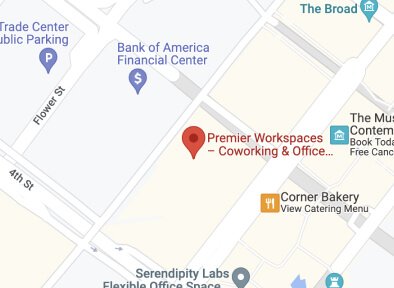
Our office is conveniently located in the Wells Fargo Tower at 355 S Grand Ave #2450, just a few blocks from the Pershing Square Metro Station, making it accessible for clients throughout Los Angeles. Our work is founded on diligence, clear communication, and an unwavering commitment to protecting your future.

A "theft" charge is a broad category covering multiple offenses under the California Penal Code. The specific details of the allegation against you are what determine the seriousness of the penalties you might face.

The prosecutor builds a case based on the type of theft they believe occurred, and each type has distinct elements they must prove beyond a reasonable doubt. Understanding these distinctions is where a strong defense begins.

The Difference Between Petty Theft and Grand Theft

  • Petty Theft (Penal Code 484 & 488): This is the charge you will most likely face if the value of the allegedly stolen property is $950 or less. Petty theft is typically prosecuted as a misdemeanor, which may result in penalties including up to six months in county jail and fines up to $1,000.
  • Grand Theft (Penal Code 487): This charge applies when the property's value exceeds $950. It also automatically applies to the theft of certain items, such as an automobile or a firearm, regardless of their monetary value. Grand theft is a "wobbler"—a legal term that simply means it can be charged as either a misdemeanor or a more serious felony, depending on the specifics of the case and your criminal history.

Are There Other Types of Theft Crimes?

You may be facing charges for a more specific offense, each with its own definition and potential consequences:

  • Robbery (PC 211): This is more than just theft. It involves taking property directly from another person by using force or fear. Because it is classified as a violent crime, robbery is always a felony and carries severe penalties.
  • Burglary (PC 459): This crime centers on intent. It’s defined as entering a building or locked vehicle with the intention of committing a theft or any other felony once inside. The offense is legally complete the moment you enter with that intent, even if nothing is ultimately taken.
  • Receiving Stolen Property (PC 496): You can be charged with this crime if you knowingly buy, receive, conceal, or sell any property that you know was obtained through theft or extortion.
  • Embezzlement (PC 503): This is a theft that occurs from a position of trust. For instance, an employee who manages company finances and fraudulently takes that property for their own benefit commits embezzlement.

How Did Proposition 47 Reshape California's Theft Laws?

In 2014, California voters passed Proposition 47, also called the Safe Neighborhoods and Schools Act. This law significantly altered the landscape for nonviolent theft and drug offenses.

Its most notable change was raising the threshold for felony theft from $400 to $950 to account for decades of inflation. This means several theft-related crimes that could have been charged as felonies are now classified as misdemeanors if the property value falls below $950.

The offenses reclassified from potential felonies to misdemeanors include:

  • Shoplifting
  • Grand theft
  • Receiving stolen property
  • Forgery and fraud
  • Writing bad checks

It is a common misunderstanding that Proposition 47 decriminalized theft below $950. That is incorrect. Theft of any value is still a crime. The law only changed how these offenses are classified and punished. This shift aims to reduce prison overcrowding by directing lower-level offenders away from state prison sentences.

What Are the Consequences of a Theft Conviction?

The penalties for a theft conviction in California are directly tied to how the crime is charged.

Misdemeanor Consequences

A misdemeanor conviction typically includes penalties such as up to one year in county jail, fines, and informal probation.

Felony Consequences

Felony penalties carry far more serious consequences, including potential sentences in state prison, higher fines, and formal probation. For grand theft charged as a felony, this could mean 16 months, two, or three years in prison.

Beyond the Courtroom

A theft conviction leaves a lasting mark on your record that creates long-term hurdles. It may affect your ability to find a job, secure a professional license, or even find housing. For non-citizens, a theft conviction could have severe consequences for your immigration status.

Are There Alternatives to Jail? Exploring Diversion Programs

A theft charge does not automatically lead to jail time, especially for first-time offenders accused of a misdemeanor. California law provides for several "diversion" programs that offer a different path.

Diversion is a legal concept that allows a defendant to complete certain court-ordered requirements in exchange for having their charges dismissed. Think of it as an off-ramp from the traditional criminal court process. If you successfully complete the program, the arrest and charge will not result in a conviction on your record.

Common diversion programs in Los Angeles County include:

  • Deferred Entry of Judgment (DEJ): This is a form of pre-plea diversion where you are not required to plead guilty. Instead, the court pauses criminal proceedings to allow you to complete counseling, community service, or pay restitution. Once all conditions are met, the judge will dismiss the charges.
  • Mental Health Diversion: If a mental health disorder played a role in the commission of the alleged crime, you may be eligible for a program that focuses on treatment rather than punishment. Successful completion of a treatment plan results in the dismissal of your case.
  • Judicial Diversion: Even if the prosecutor objects, a judge has the discretion to grant diversion in many misdemeanor cases if they believe it is in the interest of justice.

These programs are not guaranteed. A prosecutor may argue against your eligibility, or a judge may deny it based on the facts of the case or your criminal history. This is an area where a knowledgeable defense attorney can make a significant difference by preparing and presenting a compelling argument for your inclusion in a diversion program.

Building a Defense: How Do You Challenge a Theft Charge?

An arrest is not a conviction. The prosecution carries the burden of proving every element of its case against you beyond a reasonable doubt. A thorough defense is built to show they cannot meet this high standard.

Several established legal defenses can be used to challenge theft allegations. The right strategy is entirely dependent on the facts of your case.

Common Defenses Against Theft Allegations

  • Lack of Intent: Theft crimes require the specific intent to permanently deprive the owner of their property. If you took an item by mistake, believing it was yours, you did not have the required criminal intent. For example, grabbing the wrong black suitcase from an airport luggage carousel looks like theft, but it isn’t if the act was an honest mistake.
  • Claim of Right: This defense applies if you had a good-faith belief that you had a right to the property, even if that belief was mistaken. If you genuinely thought the property was yours, you didn't have the intent to steal.
  • Consent: You are not guilty of theft if the property owner gave you permission to take the item. The prosecution must prove that you did not have their consent to take the property.
  • False Accusations: Theft charges sometimes arise from misunderstandings, business disagreements, or even personal disputes. Your defense can introduce evidence to demonstrate that the accusation is untrue.
  • Mistaken Identity: Eyewitness testimony is notoriously unreliable, and people are frequently misidentified. We can challenge the identification procedures used by law enforcement to protect your rights.

What Should You Do From Home After a Theft Arrest?

Theft Arrested after a crime

The period between an arrest and your first court date is a critical window. The actions you take (and those you avoid) will have a real impact on the direction of your case. While your legal team prepares your defense, here is what you should and should not do.

Do This:

  • Write Down Everything You Remember: As soon as possible, write a detailed account of everything that happened before, during, and after the incident. Your memory of small details can fade quickly, and these notes will be invaluable for your attorney.
  • Gather All Paperwork: Carefully collect and preserve every document you received from the police. This includes the citation, your property receipt, any bail or bond paperwork, and any other forms. This documentation contains important information about your case.

Don't Do This:

  • Do Not Speak to Law Enforcement: The most important step you can take is to exercise your right to remain silent. Do not discuss your case with police officers or investigators without an attorney present. 
  • Do Not Post on Social Media: Avoid posting anything about your case online or discussing it with friends and family via text or email. Anything you write or say could be found by the prosecution and used as evidence against you.

Frequently Asked Questions About Los Angeles Theft Cases

Can a theft charge be dismissed and removed from my record in California?

Yes, in many situations. California Penal Code 1203.4 allows for a past conviction to be dismissed through a process commonly called expungement. If you successfully complete probation and meet all other legal requirements, we can petition the court to set aside the conviction. This releases you from many of the penalties associated with having a criminal record, allowing you to truthfully state on most job applications that you have not been convicted of a crime.

What if I returned the stolen property? Can I still be charged?

Yes. The crime of theft is legally complete the moment you take the property with the intent to steal it. Returning the property later does not erase the initial act. However, the fact that you returned the property can be a mitigating factor. Your attorney may be able to use it in negotiations with the prosecutor to argue for a more favorable outcome, like reduced charges or entry into a diversion program.

How does a theft conviction affect my immigration status?

For non-U.S. citizens, a theft conviction can have devastating immigration consequences. Theft is considered a "crime involving moral turpitude" (CIMT) by immigration authorities. A conviction for a CIMT can lead to deportation, denial of naturalization, or prevent you from re-entering the United States. The specifics depend on whether the conviction is a misdemeanor or felony and the details of the crime. 

What should I do about a "civil demand letter" for shoplifting?

After a shoplifting incident, you may receive a formal-looking letter from the retailer's attorney demanding payment under a civil law, California Penal Code 490.5. This is entirely separate from your criminal case. Do not pay this without speaking to a criminal defense attorney first. Paying the demand does not mean the criminal charges will be dropped, and in some cases, it can be interpreted as an admission of guilt. 

I was only cited for shoplifting and released. Is it still a big deal?

Absolutely. A citation for misdemeanor theft requires a court appearance and is just as serious as being physically arrested and booked into jail. If you fail to appear in court on the date listed on the citation, a warrant will be issued for your arrest. A conviction will still result in a criminal record, so it is important to address the citation with the help of a Los Angeles theft lawyer.

How do Los Angeles County courts handle theft cases differently?

Los Angeles County, with its large volume of cases, often utilizes different local options than other counties. For example, the District Attorney’s office employs specific diversion programs tailored to the LA system, like neighborhood justice or specific mental health courts, that may not exist elsewhere.

A defense attorney must know the specific practices and court culture of the downtown LA, Van Nuys, or Airport courthouses where your case appears to secure the most favorable outcome.

What is the typical timeline for a theft case in Los Angeles?

A typical misdemeanor theft case involves several steps: the arraignment (first court date), pretrial negotiations, and possibly a hearing or trial.

  • Misdemeanor cases usually conclude faster, depending on the complexity and whether you qualify for a diversion program.
  • Felony cases require a preliminary hearing and move at a slower pace. The timeline depends entirely on the specific facts of your case and your strategy.

A Theft Charge Does Not Have to Define Your Future

Jared Olen is in a suit, standing outside, wearing a blue tie. The logo in the corner reads "Olen Firm."

Remember, a charge is just an allegation—it is not a conviction. You have the right to a defense. By challenging the prosecution's case with a proactive and strategic approach, you can work to protect your record and move forward. We begin building that defense from the moment you hire our firm, investigating every angle to put you in the strongest possible position.

You do not have to go through this alone. Take the first step toward putting this behind you. 

Call Olen Firm, P.C. today for a confidential consultation at (213) 999-8380.

Get A Free Confidential Consultation
We Are Always On Your Side 24/7

"*" indicates required fields

This field is for validation purposes and should be left unchanged.
Full Name*
Required Fields *

Let Us Help You.

Contact the Olen Firm today
213-999-8380. Our experienced Criminal Defense Law Firm is available for a Free Confidential Consultation.

Search Our Site
Our Los Angeles, CA
Location

355 S Grand, Suite #2450 Los Angeles, CA 90071

Phone: 213-999-8380
fill out the form
Request Your Free
Confidential Consultation

"*" indicates required fields

This field is for validation purposes and should be left unchanged.
Full Name*
Required Fields *

chevron-down linkedin facebook pinterest youtube rss twitter instagram facebook-blank rss-blank linkedin-blank pinterest youtube twitter instagram