A breath or blood test result does not always reflect a driver’s actual blood alcohol level while they were driving. Blood alcohol concentration (BAC) changes as alcohol is absorbed into the bloodstream, and a test taken after a traffic stop may show a higher reading than the driver’s BAC at the time they were operating the vehicle. The rising BAC defense in Pasadena DUI cases challenges this timing gap and the assumptions prosecutors rely on when filing charges.
In many DUI cases, a person’s body continues absorbing alcohol after they stop driving. If police test your BAC during this period, the result may overstate your actual BAC while driving. When supported by evidence, a rising blood alcohol defense can raise reasonable doubt under California law.
If you were arrested for DUI in Pasadena or the San Gabriel Valley, the timing of your chemical test may affect your case. Contact Olen Firm for a free consultation to discuss whether a rising BAC defense applies.

Attorney Jared Olen has defended DUI clients throughout Los Angeles County, including cases where rising blood alcohol levels were key to the defense. His years of experience as a deputy public defender taught him the scientific and legal arguments that make this defense effective in the right circumstances.
At the Olen Firm, Our approach to rising BAC cases Pasadena begins with a detailed reconstruction of the timeline surrounding your arrest. We examine when you consumed your last drink, when police stopped your vehicle, and when officers administered the breath or blood test. Gaps in the timeline can show that your BAC was still rising between the time you drove and the time you were tested.
Effective rising BAC arguments depend on establishing precisely when events occurred. We gather evidence from multiple sources to construct an accurate picture of the night in question.
The following types of evidence often support a rising blood alcohol defense in Pasadena DUI cases:
Each piece of evidence helps establish that alcohol was still absorbing into your bloodstream when officers conducted the evidentiary chemical test at the station.
Complex rising BAC cases often benefit from analysis by expert witnesses who understand alcohol metabolism. When appropriate, a forensic toxicologist may review the evidence and, if warranted, provide testimony explaining how blood alcohol levels change over time.
This type of analysis can account for variables that affect alcohol absorption rates, including body weight, biological sex, food consumption, the type of alcoholic beverages consumed, and the speed at which you drank. The goal is demonstrating that reasonable doubt exists about whether your BAC exceeded 0.08% at the time of driving.
Alcohol does not enter your bloodstream instantly. After you take your last sip, your body continues absorbing alcohol through the stomach and small intestine for an extended period. Your BAC keeps climbing until it reaches a peak, which occurs anywhere from 30 minutes to two hours or more after your final drink.
This absorption process means someone who finishes drinking and immediately drives home may have a legal BAC while behind the wheel. However, by the time police complete the traffic stop, conduct field sobriety tests, transport the driver to the station, and administer a chemical test, that same person’s BAC may have risen above the 0.08% legal limit.
Multiple variables affect how quickly alcohol enters your bloodstream and when your BAC reaches its peak level. No two people metabolize alcohol identically, which is why assumptions about BAC at the time of driving frequently prove inaccurate.
The rate of alcohol absorption depends on several physiological and situational factors:
These variables make it scientifically unreliable to automatically assume that a BAC reading taken an hour after driving accurately reflects the BAC at the time of driving. The prosecution's case rests on this assumption, which a strong rising BAC defense directly challenges.
California Vehicle Code section 23152(b) makes it illegal to drive with a blood alcohol concentration (BAC) of 0.08% or higher. If a BAC test taken within three hours of driving shows a result of 0.08% or more, the law assumes the driver’s BAC was at or above that level while driving.
This assumption is not final and can be challenged. A criminal defense attorney may present evidence showing that, even if the test result was 0.08% or higher, the driver’s BAC was actually below the legal limit at the time of driving.
The rising blood alcohol defense challenges this assumption by showing that the test measured the driver’s BAC after it had increased beyond what it was while the person was driving.
Los Angeles County prosecutors handling DUI cases in the Pasadena Courthouse typically rely heavily on chemical test results. They present the breath or blood test number and argue that this figure proves the defendant violated the law.
A rising BAC defense forces prosecutors to address the gap between the test result and what actually occurred while driving. When defense attorneys raise this issue effectively, prosecutors may be more open to considering reduced charges such as wet reckless under Vehicle Code Section 23103.5 rather than risk losing at trial.
Not every Pasadena DUI case benefits from a rising blood alcohol argument. The defense works most effectively in specific circumstances where the facts support the theory that BAC was lower at the time of driving.
Cases in which this defense is most likely to be viable often share certain characteristics that support the theory:
When these factors align, reasonable doubt about BAC at the time of driving becomes a legitimate argument for acquittal or charge reduction.
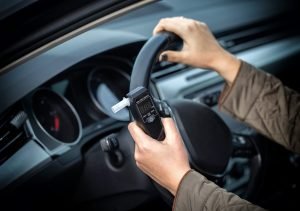
The period between when police first observe your vehicle and when they administer an evidentiary chemical test often spans an hour or more. Every minute that passes during this process allows additional alcohol to enter your bloodstream if you were still in the absorption phase.
A typical Pasadena DUI stop begins with the officer observing a traffic violation or erratic driving pattern. The officer then initiates the stop, approaches your vehicle, asks questions, and requests license and registration. If the officer suspects impairment, field sobriety tests follow, along with a preliminary breath test at the roadside.
After arrest, officers transport you to the Pasadena Police Department or another facility for booking and evidentiary testing. The processing, paperwork, and test administration add additional time during which your BAC may continue rising.
A typical DUI arrest in Pasadena involves multiple steps that consume time while your body continues processing alcohol:
Each step adds time to the process, and in many cases an hour or more passes between when you were driving and when the official chemical test is administered. This delay lies at the heart of the rising BAC defense.
The BAC result prosecutors rely on reflects only a single moment in time, long after you stopped driving. If your body was still absorbing alcohol during that interval, the test result may overstate your BAC at the legally relevant moment behind the wheel.
Rising BAC describes the period after drinking when blood alcohol concentration continues to increase as alcohol is absorbed into the bloodstream. Because BAC does not peak immediately, a test taken 30 minutes to two hours after driving may show a higher level than what existed while you were actually driving.
Attorneys establish rising BAC by building a clear timeline of events, including when alcohol was consumed, when driving occurred, when the stop was made, and when testing took place. Using this timeline and alcohol metabolism analysis, they may show the driver’s BAC was still rising and below 0.08% at the time of driving, even if it later tested higher.
No. This defense is most effective when test results are close to 0.08%, alcohol was consumed shortly before driving, absorption was slowed by food, and there was a delay before testing. It is less effective in cases involving very high BAC levels or long gaps between drinking and driving.
If the defense creates reasonable doubt about whether BAC was 0.08% or higher while driving, prosecutors may fail to prove a per se DUI under Vehicle Code 23152(b). This can lead to dismissal, acquittal, or a reduction to a lesser offense with reduced penalties.
Not always, but expert analysis can strengthen a rising BAC defense. A forensic toxicologist may estimate BAC at different times and explain alcohol absorption, providing scientific support for the argument that BAC was lower while driving.
A first-time misdemeanor DUI conviction in California carries serious penalties, including a minimum of three to five years of probation, mandatory participation in a court-approved DUI program, and fines ranging from $390 to $1,000, plus penalty assessments.
The Department of Motor Vehicles imposes a six-month driver’s license suspension, though you may apply for a restricted license after a mandatory 30-day suspension period if you install an ignition interlock device (IID).
Penalties increase significantly for subsequent offenses. You can review the full range of penalties in the California Vehicle Code.
California has an implied consent law, which means that by driving a vehicle, you consent to chemical testing (breath or blood) if an officer lawfully arrests you for DUI. Refusing to submit to an evidentiary test after a lawful arrest carries severe penalties, including an automatic one-year driver’s license suspension (separate from any court-imposed penalties) and enhanced jail time if convicted.
An officer must advise you of these consequences before you choose to submit or refuse a BAC test.
A DUI charge is not based on a breath or blood test alone. Prosecutors must prove your blood alcohol concentration (BAC) was at or above the legal limit at the exact time you were driving. If your BAC continued to rise after you stopped driving, a rising blood alcohol defense may weaken the prosecution’s case.
At Olen Firm, DUI cases are carefully reviewed by analyzing test timing, arrest procedures, and how alcohol is absorbed in the body. When supported by the evidence, a rising BAC defense can result in reduced charges or even dismissal.
Contact Olen Firm Criminal Defense Lawyers today for a free consultation to review your Pasadena DUI case and find out whether a rising BAC defense may apply.
35 N Lake Ave # 710
Pasadena, CA 91101
Phone: (213) 999 8380
"*" indicates required fields

Contact the Olen Firm today
213-999-8380. Our experienced Criminal Defense Law Firm is available for a Free Confidential Consultation.
"*" indicates required fields
