A criminal conviction carries serious consequences, including jail or prison time, heavy fines, and a permanent criminal record that affects employment and housing opportunities. A conviction may also impact your driver’s license, firearm rights, immigration status, and child custody arrangements.
Given these high stakes, you need a defense attorney with the right experience to represent you.
When you meet with a potential attorney, ask direct questions about their experience with cases like yours, their proposed legal strategy, their fees, and who on their team will handle your case.
An attorney guides you through each step of the legal process. They review evidence, advise you of your rights, file motions, negotiate with prosecutors, and represent you in court. They work to have charges reduced or dismissed and can guide you through sentencing or appeals.
Hiring the right Los Angeles criminal defense lawyer helps you protect your future and minimize the impact of a criminal charge.
Hiring the right lawyer gives you the best chance of protecting your future and minimizing the impact of a criminal charge on your life.
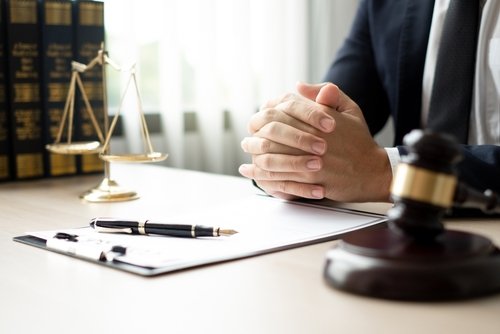
Individuals can face a wide range of criminal charges, but some of the most common include DUI, drug offenses, firearm violations, and assault charges. A criminal defense lawyer can help you understand the charges, protect your rights, and build a strong legal strategy tailored to your case.
Each of these crimes carries serious consequences and requires the prosecution to meet a specific burden of proof in court.
In all criminal cases, the prosecution has the burden of proof, which means they must prove every element of the crime beyond a reasonable doubt. This is the highest legal standard because the defendant’s freedom is at stake.
If you’re facing any of these charges, it is critical to speak with a Los Angeles criminal defense lawyer right away. A skilled attorney can evaluate the evidence, challenge the prosecution’s case, and protect your rights at every step.
If you are facing criminal charges, hiring the right criminal defense attorney is one of the most important decisions you can make. What happens if you violate probation or court orders after being charged? You could face additional penalties, including jail time or stricter conditions. Before deciding to return or hire a defense attorney, you should ask specific legal questions to make sure they are qualified, experienced, and the right fit for your case.
Here are the most important legal questions to ask:
By asking these questions, you can better understand the attorney’s qualifications, approach, and commitment to your case. A trustworthy Los Angeles criminal defense lawyer will answer honestly, explain your rights clearly, and work hard to protect your future.
A knowledgeable criminal defense attorney can guide you through every step of your criminal case, from the moment you are charged until the case is resolved. Their job is to protect your rights, explain your options, and fight for the best possible outcome on your behalf.
The first thing a skilled attorney will do is carefully review the facts of your case. They will examine the police reports, witness statements, surveillance footage, and any other evidence. They may also conduct their own investigation to uncover new evidence or find weaknesses in the prosecution’s case.
A good defense lawyer will also explain the charges against you and what they mean. They will break down the legal process and your rights, helping you understand what to expect. Who can request certain legal actions—like a plea deal, bail reduction, or evidence suppression—will depend on your case, and your attorney will guide you through those options. Then, they will create a strategy tailored to your case, whether that means negotiating a plea deal or preparing for trial.
Before trial, your attorney can file motions to challenge the evidence or even request that the charges be reduced or dismissed. For example, they might file a motion to suppress evidence that was collected illegally. These pretrial steps are important and can make a big difference in the outcome of your case.
If it’s in your best interest, your lawyer can negotiate a plea deal with the prosecutor. This may involve reduced charges or a lighter sentence. A knowledgeable attorney will only recommend a plea if it truly benefits you, and they will make sure you fully understand what you are agreeing to.
If your case goes to trial, your attorney will represent you in court. They will question witnesses, present evidence, argue your side of the case, and challenge the prosecution’s claims. Their goal is to create reasonable doubt so that you are not convicted.
If you are found guilty or decide to accept a plea, your lawyer can help during sentencing by arguing for a lighter punishment. Understanding the difference between appealing a conviction and requesting a sentence reduction is crucial, and your attorney can guide you through both options. If necessary, they can also help you appeal the decision or correct legal errors from the trial.
A knowledgeable criminal defense attorney handles every step of the case with skill and care, fighting to protect your freedom and your future.
A criminal conviction can lead to serious legal penalties and long-lasting collateral consequences that affect nearly every part of your life. The exact punishment depends on the type and severity of the offense, but many common criminal charges—such as DUI, drug possession, assault, or firearm violations—can bring similar types of penalties and consequences.
The most common legal penalties include fines, jail or prison time, probation, and community service. For example, a first-time DUI might result in a fine, a license suspension, and a short jail sentence. More serious offenses, like drug trafficking or aggravated assault, can lead to years in prison and tens of thousands of dollars in fines.
Judges may also order mandatory counseling, anger management classes, or drug and alcohol treatment programs as part of sentencing. In some cases, individuals must complete a certain number of hours of community service or regularly report to a probation officer.
In addition to legal penalties, a criminal conviction can carry collateral consequences that are not part of the official sentence but still impact your life. One of the most common is a permanent criminal record, which can make it harder to find employment, especially in jobs that require background checks or licenses.
Some convictions can lead to a driver’s license suspension, particularly in DUI or drug-related cases. Others can cause problems with housing, as many landlords run background checks and may refuse to rent to someone with a criminal record.
If you are convicted of a firearm offense, you may lose your right to own or carry a gun. For non-citizens, certain convictions can also lead to deportation or the loss of immigration status.
People convicted of violent crimes or sex offenses may have to register on public offender lists, which can affect where they live and work. Additionally, a conviction may affect child custody rights, professional licenses, or your ability to receive certain student loans or government benefits.
Because both the legal penalties and collateral consequences can be so serious, it’s critical to work with a skilled criminal defense attorney who can fight for your rights and help you avoid or reduce the impact of a conviction. If you’re asking, criminal defense attorney for me, the answer is someone with experience in your specific charges and a track record of strong advocacy.

If you are facing criminal charges such as DUI, drug possession, assault, or a firearm offense, there are several strong legal defenses that your attorney can raise depending on the facts of your case.
These defenses aim to challenge the prosecution’s evidence and create reasonable doubt, which can lead to reduced charges, a dismissal, or even a not-guilty verdict.
A skilled criminal defense attorney will know which legal defense works best for your case and will use it to protect your rights and fight for your freedom. What are your rights during a criminal case? You have the right to remain silent, the right to an attorney, and the right to a fair trial—all of which your lawyer will help uphold.
A felony is a more serious crime punishable by more than a year in state or federal prison. A misdemeanor is a less serious offense, typically punishable by up to a year in county jail, fines, or probation. The classification affects the severity of penalties and long-term consequences.
No. Exercise your right to remain silent and to an attorney. Politely decline to answer questions or make any statements until you have consulted a Los Angeles criminal defense lawyer. Anything you say to the police, even if you believe it helps you, the prosecution can use against you.
Most criminal cases do not go to trial. Many resolve through plea agreements, where the defendant pleads guilty to a lesser charge or in exchange for a recommended sentence.
Your attorney will evaluate the evidence and advise you on whether negotiating a plea or proceeding to trial presents the better option for your circumstances.
The cost of a criminal defense attorney varies widely depending on the complexity of your case, the attorney's experience, and your location.
Attorneys may charge a flat fee that covers the entire case, an hourly rate, or a retainer fee paid upfront from which they bill their hours. Always ask for a written fee agreement that details all costs.

If you are currently faced with one or more criminal charges, you need qualified legal counsel on board.
Your Los Angeles criminal defense lawyer will first answer all of your questions and review the prosecution’s evidence. They can also determine all of your available legal options, represent you during legal proceedings, and pursue the best possible result in your case.
"*" indicates required fields

"*" indicates required fields
